5 changes in your smile that could mean it’s time to see an orthodontist
Your smile naturally changes over time. Whether it’s due to getting older, changes in your bite, previous dental treatment or simply the way your teeth move throughout your life, noticing something looks or feels different doesn’t always mean there’s a problem.
If you’re keeping on top of your dental appointments, your teeth and gums are healthy, your smile feels comfortable, and you’re happy with the way your teeth look, there’s no need to change anything. Orthodontic treatment isn’t about creating a “perfect” smile or fixing something that doesn’t bother you. It’s about giving you options if your smile has changed, you’re experiencing discomfort, or you’d love to achieve the smile you’ve always wanted.
At AP Smilecare, we believe dental care should always be personal to you. As a private dentist in Blackburn, we’re here to help you understand your options, whether you’re looking to improve the appearance of your smile, address changes that are affecting your everyday life, or find out what treatments are available.
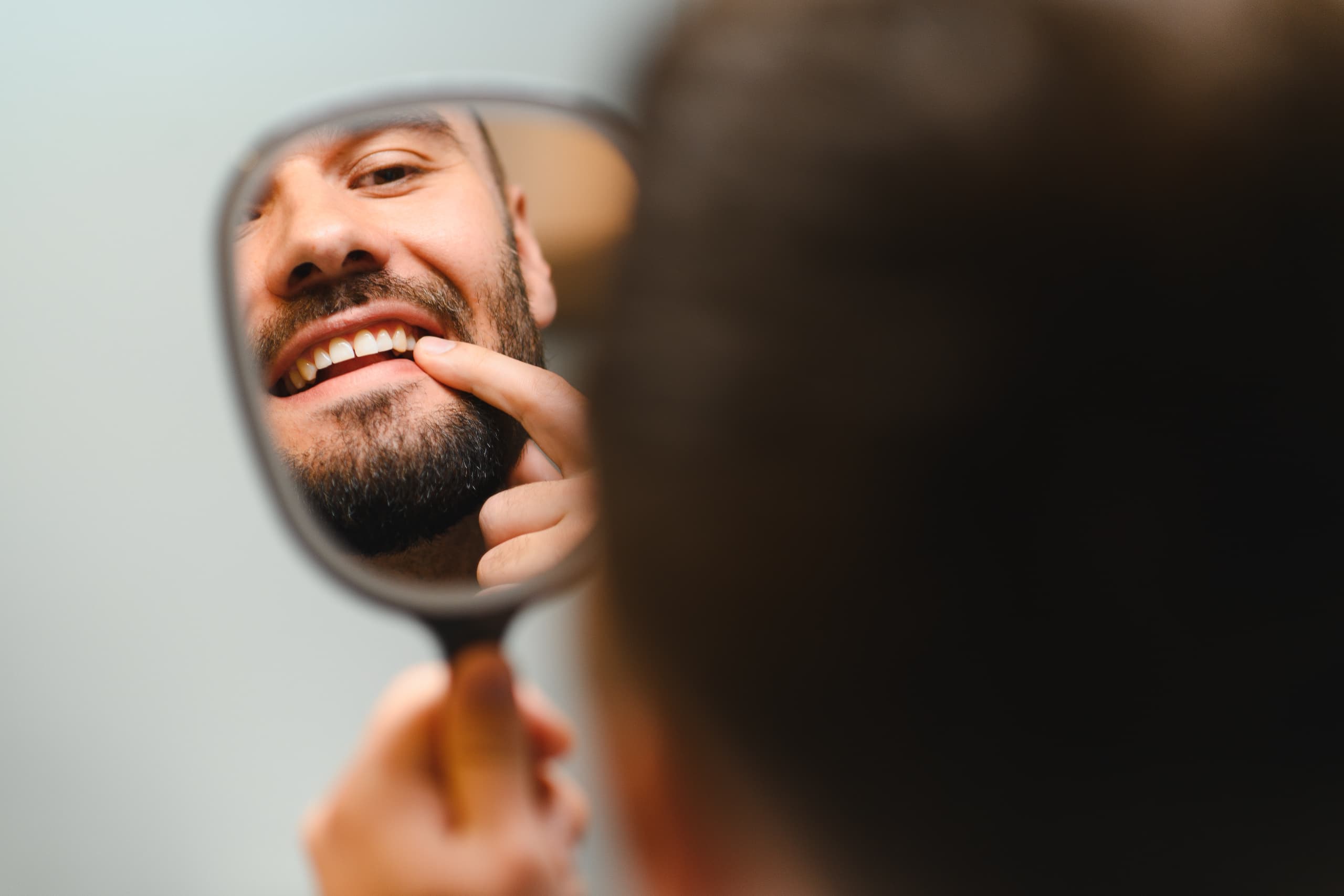
Even small changes in your smile are worth discussing with your dentist. So, if you’ve noticed anything different recently, here are five signs that it could be time to speak to an orthodontist.
1. Your floss keeps catching or shredding
If your floss suddenly starts catching, tearing or becoming difficult to slide between certain teeth, it could be a sign that your teeth have changed position.
Our teeth aren’t completely fixed in place forever. Small movements can happen naturally as we age, and changes can also occur following previous dental treatment, missing teeth or changes to the way your bite comes together. In some cases, wisdom teeth developing can also make the back of your mouth feel different, although they aren’t always the reason behind crowding.
When teeth become more crowded, they can overlap or sit closer together, which may make certain areas harder to clean. This doesn’t necessarily mean something is wrong, especially if your teeth and gums are healthy, but it can be worth discussing with your dentist if you’re finding cleaning more difficult or you’ve noticed a change in your smile.
During an assessment, your dentist can look at what’s causing the change and talk you through your options. For some people, no treatment is needed. For others, improving the position of the teeth through orthodontic treatment may be an option. In more complex cases where there isn’t enough room, your dentist may discuss other approaches to create space before considering how best to improve alignment.
The most important thing is understanding what’s happening with your smile and choosing an approach that’s right for you.
2. You’ve noticed new gaps appearing between your teeth
A gap between your teeth isn’t always something to worry about. Some people naturally have spaces in their smile, and if your teeth and gums are healthy and you’re happy with how your smile looks, there’s no reason to change anything.
However, if you’ve noticed new spaces appearing where your teeth once fitted together closely, it’s worth mentioning this to your dentist. Changes in the position of your teeth can happen gradually, and you may not always notice them straight away.
There are several reasons why gaps can appear over time. Teeth naturally move throughout our lives, and changes can also happen due to things like your bite changing, missing teeth or changes to the health of your gums. Sometimes, these gaps are simply something you’d like to improve because you want to feel more confident in your smile. In other cases, they may make cleaning certain areas more difficult or allow food to become trapped more easily.
Your dentist can assess your smile and look at what may be causing the change. If your teeth and gums are healthy and there’s no concern, they may simply recommend keeping an eye on things. If you’d like to improve the appearance of your smile, options like braces or Invisalign can sometimes help gently move teeth into a more even position and close unwanted spaces.
3. Your teeth are showing signs of uneven wear
Your teeth are designed to work together when you bite, chew and speak. When everything is balanced, the pressure from your bite is shared across your teeth. However, changes in your bite or the way your teeth meet together can sometimes place extra pressure on certain areas.
Over time, you may notice signs like flatter edges, teeth appearing shorter than before or small changes to the shape of your smile. There are many possible reasons for uneven wear. Some people grind or clench their teeth, often without realising it; others may have changes in their bite that affect how their teeth come together. Lifestyle habits, stress and natural changes as we get older can also play a part.
If your dentist notices signs of wear, they’ll look at the bigger picture rather than just the appearance of your teeth. They’ll consider your bite, your oral health and any symptoms you may be experiencing to understand what could be contributing.
In some cases, simple preventative advice or treatments to protect your teeth may be all that’s needed. In others, where the position of the teeth is affecting how they meet together, orthodontic treatment may be worth discussing. The important thing is identifying why the wear is happening so you can make an informed decision about the best way to look after your smile.
4. Your bite feels different
Your bite is the way your top and bottom teeth come together when you close your mouth. Most people don’t think about their bite until something changes, but even a small difference can make you notice that your teeth no longer feel the same.
You may notice that your back teeth are meeting differently, your teeth feel like they are touching in new places, or your jaw feels like it is working harder when you chew.
Changes to your bite can happen for lots of reasons. Teeth naturally move throughout life, and changes can also happen after dental treatment, missing teeth or changes in the way your teeth sit together over time. In some cases, wisdom teeth developing can make the back of your mouth feel different, although they aren’t always the cause of changes in tooth position.
A change in your bite doesn’t automatically mean you need treatment either. If your teeth are healthy and your smile feels comfortable, your dentist may recommend keeping an eye on things until your next appointment.
However, if your bite is affecting your comfort, making eating more difficult, or you’re unhappy with how your smile looks, it’s worth having a conversation with your dentist about the options available to help. They can assess how your teeth are working together and explain whether any options could help.
In some cases, orthodontic treatment can help improve the alignment of your teeth and create a more balanced bite. However, a change in your bite doesn’t always mean orthodontics is the answer. The best approach depends on what’s causing the change, and your dentist may recommend other options such as restorative treatments, replacing missing teeth, protecting worn teeth or simply keeping an eye on things.
At AP Smilecare, we’ll always take the time to understand your smile, explain your options and help you decide on the right approach for you.
5. Your jaw clicks or feels uncomfortable
A clicking or popping jaw is something many people experience, and in some cases it may not cause any problems at all. However, if your jaw has started to ache, feels stiff, or becomes uncomfortable when you chew, talk, or open your mouth, it’s definitely time to speak to your dentist.
Your jaw, teeth, and bite all work together, so changes in the way your teeth meet can sometimes affect how your jaw feels. Things like grinding or clenching your teeth, tension around the jaw muscles or changes to your bite can all play a part.
During your appointment, your dentist can take a closer look at how your teeth come together and help you understand what may be causing the discomfort. In some cases, simple advice or changes to your daily habits may be enough to help manage your symptoms. In others, treatment may be recommended depending on what’s contributing to the problem.
If your dentist feels that your bite could be playing a role, orthodontic treatment may be one option to consider. By improving the position of your teeth and helping them meet together more evenly, orthodontics can sometimes reduce the extra pressure being placed on certain areas when you bite and chew.
However, jaw discomfort can happen for lots of different reasons, and orthodontics isn’t always the answer. Your dentist will always look at your individual smile, listen to your concerns and explain the options that are most suitable for you.
Your local private dentist in Blackburn
If you’ve noticed changes in your smile, you’re considering orthodontic treatment, or you want to explore what options are available, our friendly team at AP Smilecare is here to help. As a Denplan dentist in Blackburn, we take the time to understand your smile, listen to what you’d like to achieve and talk you through the best options for you.
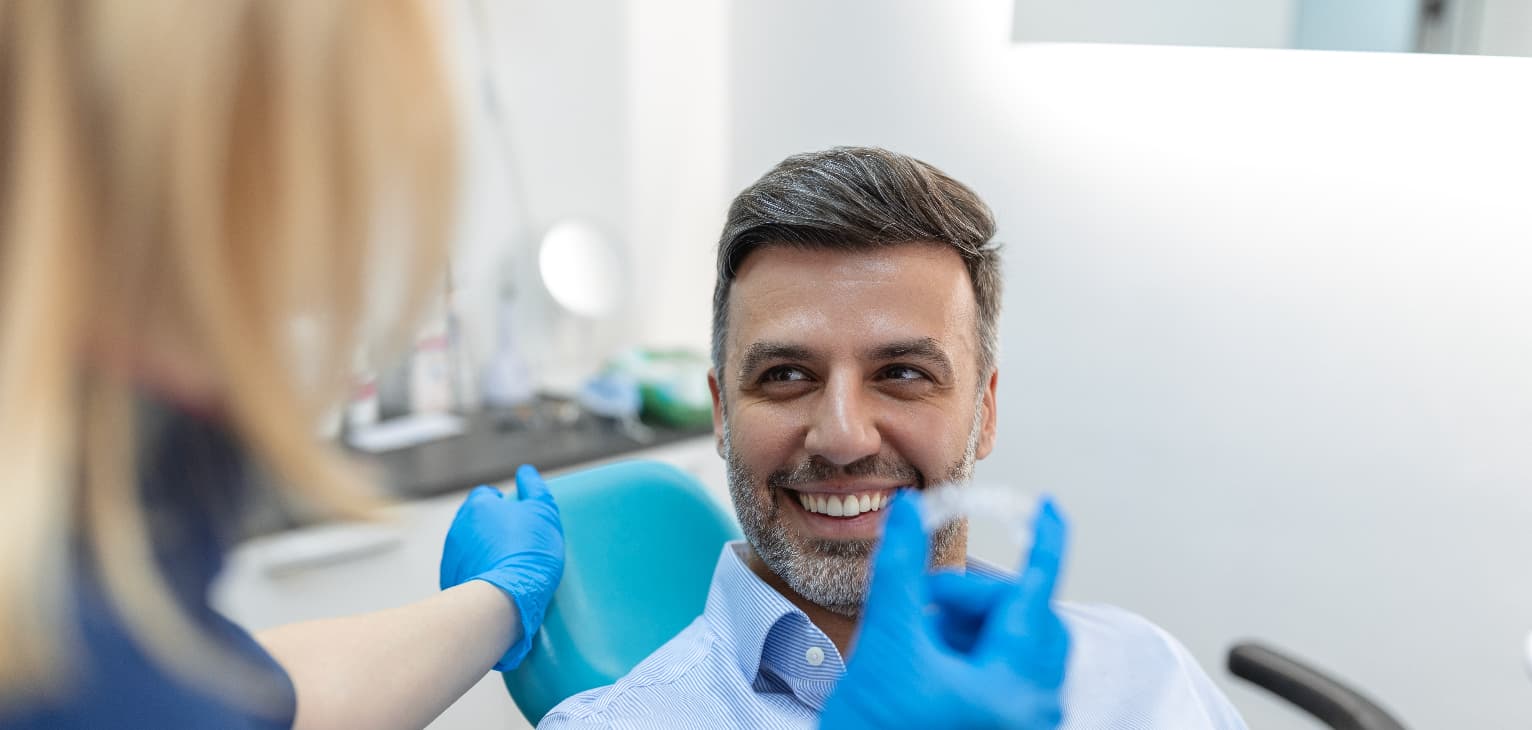
Whether you’re looking to improve the position of your teeth with classic braces, tooth coloured braces, Invisalign or Incognito Lingual braces, or you’d like advice on ways to keep your smile healthy and looking its best, we’re here to support you every step of the way.
With our Denplan options, we can help you spread the cost of your ongoing care while giving you the time, flexibility and personalised attention you deserve. If you have any questions about our private dental services, just give us a call on 01254 297000, or you can book an appointment online today to start a conversation about your smile and how we can help!








 Dentures
 Dental Implants
 Braces
 Teeth Whitening
 Smile Makeover